Sleep Apnea Treatment & Oral Appliances in Toms River, NJ
You slept eight hours and still woke up wrung out. Your partner keeps mentioning the snoring. By two in the afternoon, staying focused feels like work. That pattern may not be your sleep habits. It could be obstructive sleep apnea, and for many people with mild to moderate cases, a small custom oral appliance worn at night is an effective treatment.
Dr. Kyle Ditmars, DDS, and the team at Dover Dental Center provide oral appliance therapy in Toms River. Dr. Ditmars holds the Qualified Dentist designation from the American Academy of Dental Sleep Medicine, a credential reflecting specific training in treating sleep-disordered breathing with dental devices. Instead of a mask, hose, and motor on your nightstand, you wear a device that fits like a retainer and holds your lower jaw slightly forward, keeping your airway open while you sleep.
If you've been diagnosed, or you suspect something's going on, call us at (732) 736-9100.
This treatment tends to fit well if you:
Severe apnea is usually treated most effectively with CPAP when tolerated. If an appliance isn't right for you, we'll tell you and coordinate with your physician rather than selling you something that won't help.
We can't make an appliance without a physician's diagnosis, so if you haven't been tested yet, that's the step before this one. If you're unsure where you stand, call our Toms River office at (732) 736-9100 and we'll walk you through what to do next.
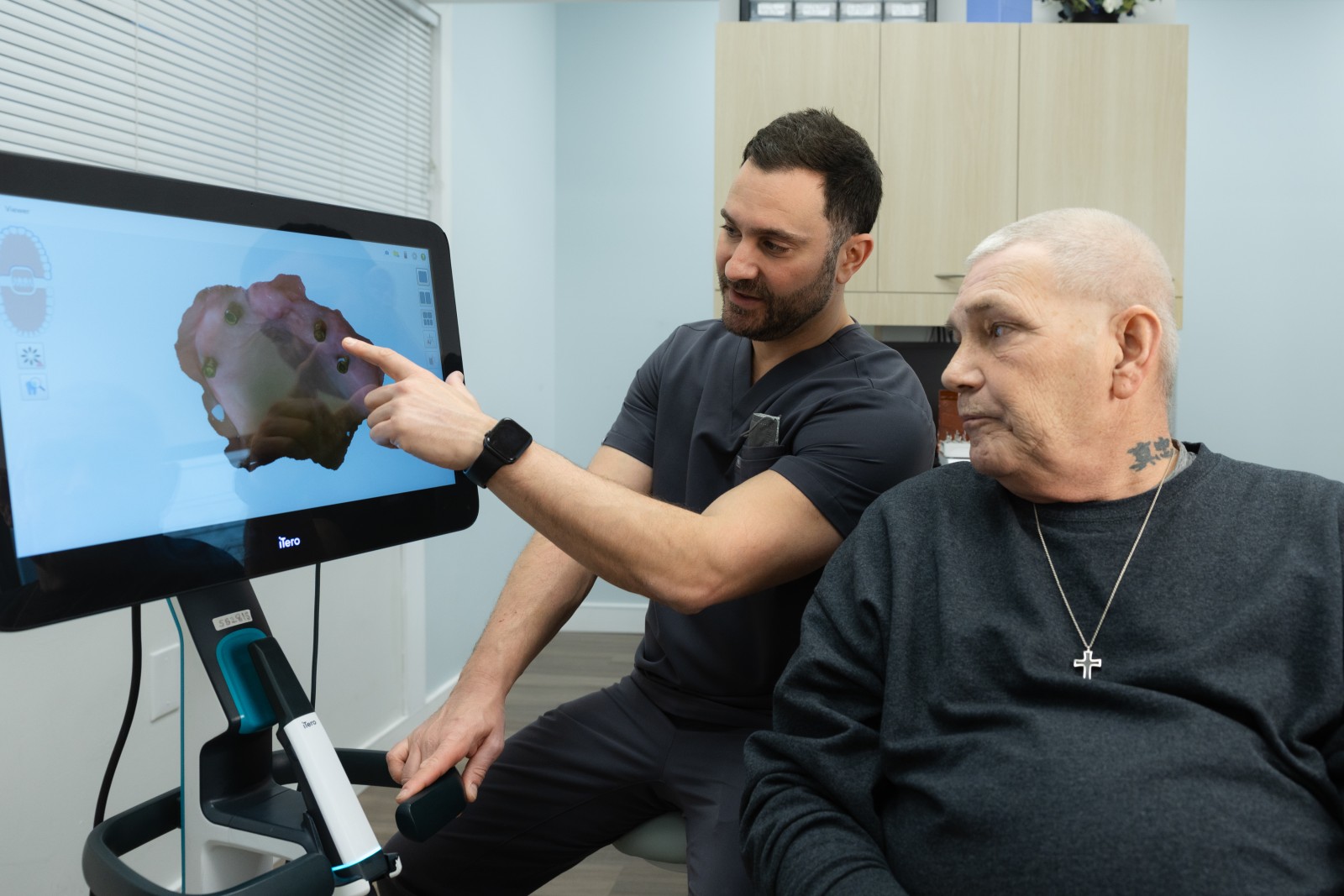
Review of your sleep study, exam, discussion of options, and insurance questions. If you're ready to move forward and your records are in order, we can often scan the same day.
We'll call you when your device arrives from the lab.
You go home with the appliance that day.
A handful of short visits, and the stretch where most of the improvement shows up.
Once things are stable, we review the appliance and your bite at your regular visits and replace the device when wear catches up with it.
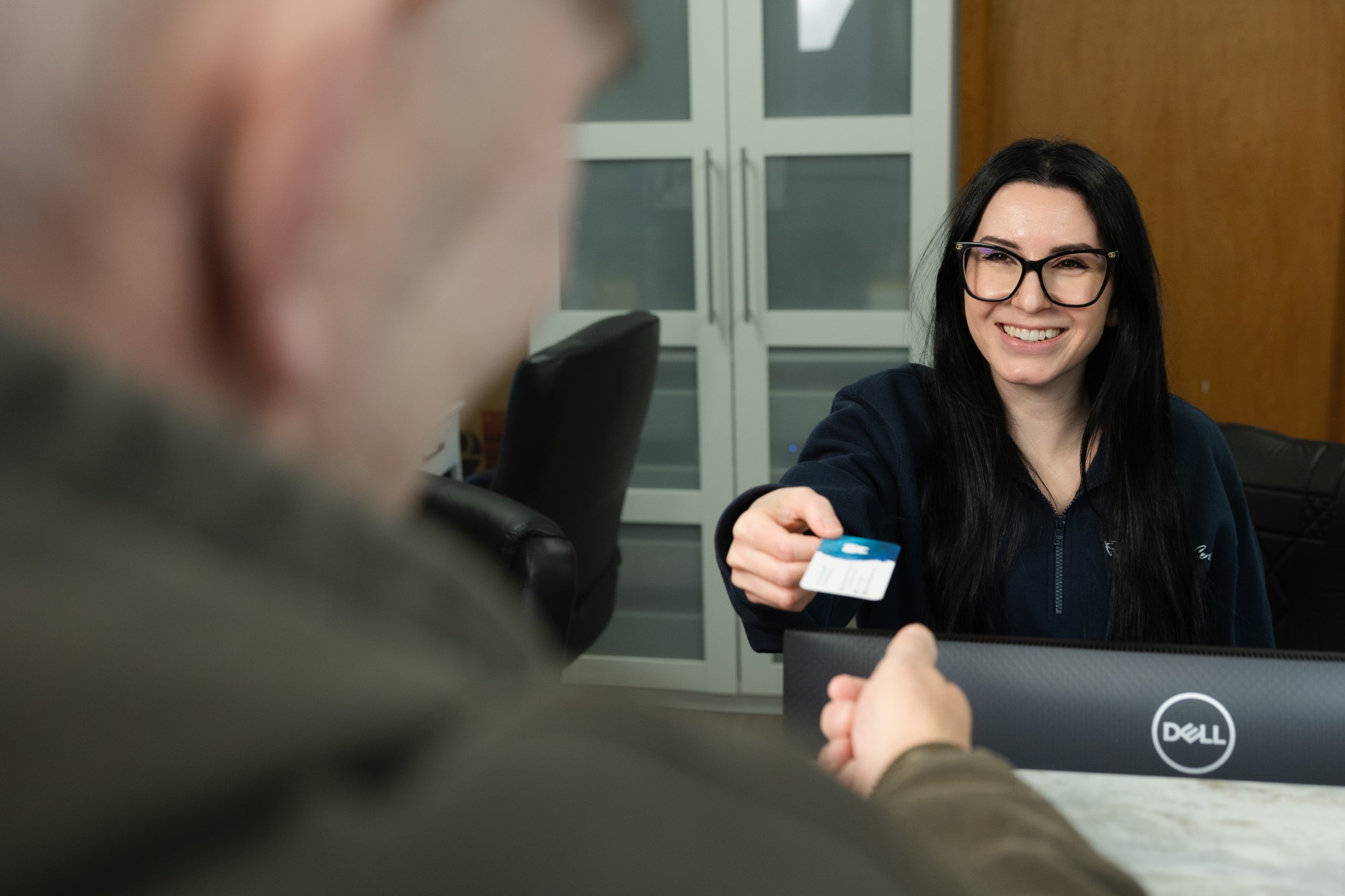
Before your consultation, gather your sleep study report and the name of the physician who ordered it. Note what you've tried already and what went wrong, especially if CPAP is in your history. Bring your medical insurance card along with your dental one.
Once the appliance is yours, a few habits keep it working:
Extra saliva the first week or two is normal, as is a brief period of feeling like there's a lot going on in your mouth. Most people stop noticing the device within a few weeks.
What you pay depends on the appliance design your case calls for, the records involved, and how much follow-up adjustment your treatment takes. We go over the full number with you at the consultation, before anything is ordered.
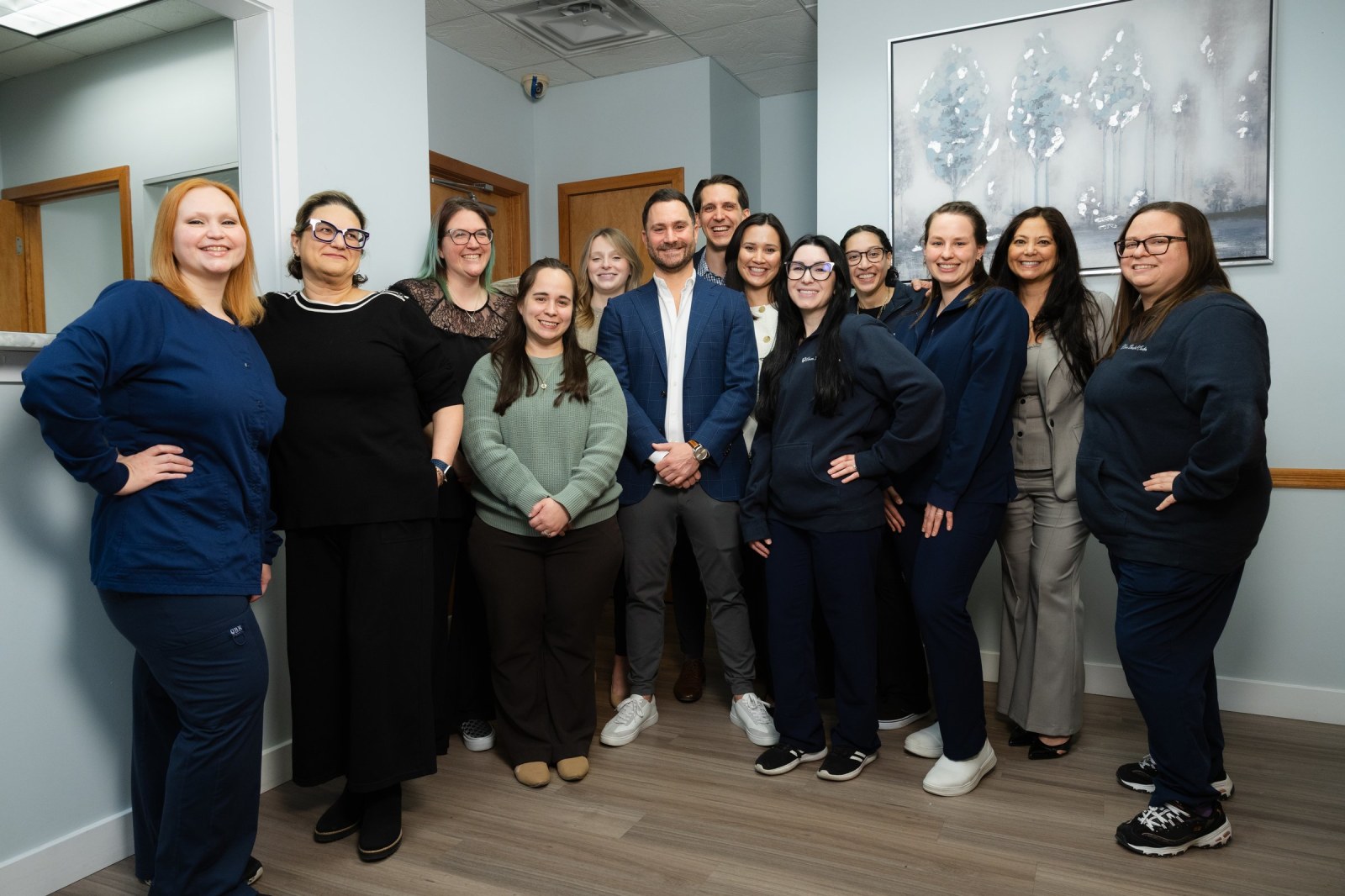
Dr. Ditmars built this practice around a promise he calls PAQ: patient-centered, affordable, quality care. He's the first doctor in a large working-class family, and he runs the office the way he'd want his own family treated, which mostly means explaining things in plain language and not pushing treatment people don't need.
For sleep apnea specifically:
Yes. A physician has to diagnose obstructive sleep apnea before an appliance can be prescribed, and insurance won't consider a claim without it. Your primary care doctor or a sleep physician can order a study, often one you take at home.
That's a decision made with your physician, not by us alone. Some people switch entirely, some use the appliance for travel and CPAP at home, and some use both together. We'll coordinate so everyone's on the same page.
Small bite changes can happen over years of nightly wear. That's why we check your bite at follow-ups and why morning exercises are part of the routine. Catching a shift early is simple; ignoring it for a decade is not.
Several years with good care, though it varies with how hard you grind and how well it's cleaned. We inspect it at your regular visits and let you know when replacement is approaching.
No. Over-the-counter guards aren't treatment for sleep apnea, aren't adjustable, and can push teeth around unpredictably. A prescribed, custom device positioned to your measured jaw movement is a different thing entirely.
Then we say so and help you look at other paths with your physician. Not every airway responds to jaw advancement, and we'd rather redirect you than keep adjusting a device that isn't helping.
Still have questions about oral appliance therapy? Call Dover Dental Center in Toms River at (732) 736-9100 and we'll walk you through it.
If you're tired of waking up tired, the next step is a conversation. Dr. Ditmars will review your sleep study, examine your teeth and bite, explain honestly whether an oral appliance is likely to help, and go through costs and coverage before you commit to anything.
Call Dover Dental Center at (732) 736-9100 to schedule a consultation. We're at 508 Lakehurst Rd., Suite 3B in Toms River, and we'd be glad to help you figure out what better sleep looks like for you.
We look forward to meeting you. Call 732-736-9100 or request an appointment online to set up your first visit. We’ll be in touch soon.